
Hoya krohniana (Hoya krohniana)
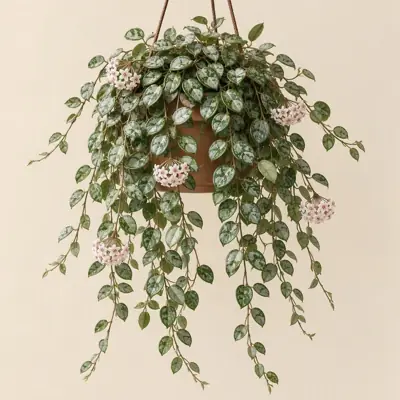
Hoya krohniana is reported to be a perennial, evergreen herbaceous vine with an epiphytic, climbing or trailing habit and can be grown as a hanging plant.
Watch: 21 Hoyas: Water Less, Wait Longer
Overview
Hoya krohniana is reported to be a perennial, evergreen herbaceous vine with an epiphytic, climbing or trailing habit and can be grown as a hanging plant.
Origin and habitat
Sources differ on its native range, with the claim identifying the Philippines. Hoya species are reported to be mostly epiphytes in their natural habitats. Hoya is reported to occur in tropical to subtropical environments in Asia and the western Pacific islands.
Characteristics
Hoya species are reported to typically have thick, waxy leaves that can be ornamental, and the genus also includes variegated cultivars. Hoya species are reported to have ornamental flowers that are often fragrant, with inflorescences that may be umbel-like and flowers often star-shaped or crown-like. The fruit is reported to consist of paired follicles that split open when mature to release seeds with tufts of hair.
Light
Bright light, dappled shade or morning full sun is reported to be suitable; full sun throughout the day is not required.
Watering
It is generally grown in a well-drained medium that is allowed to dry between waterings, avoiding prolonged wetness and water around the roots.
Temperature and dormancy
It is reported to be frost tender; keep above freezing.
Growing medium and mounting
A well-drained potting medium containing organic matter is generally used.
Propagation
It is reported to be propagated by stem cuttings.
Common problems
It is reported to be susceptible to aphids, spider mites and mealybugs. Excessive water retention in the pot or growing medium is reported to increase the risk of root rot. It is reported not to tolerate prolonged wetness in the growing medium or water around the roots, and excessive water retention can increase the risk of root rot. It is reported not to tolerate frost.